
The Meeting Point
Transform your allyship to walk together for a better future
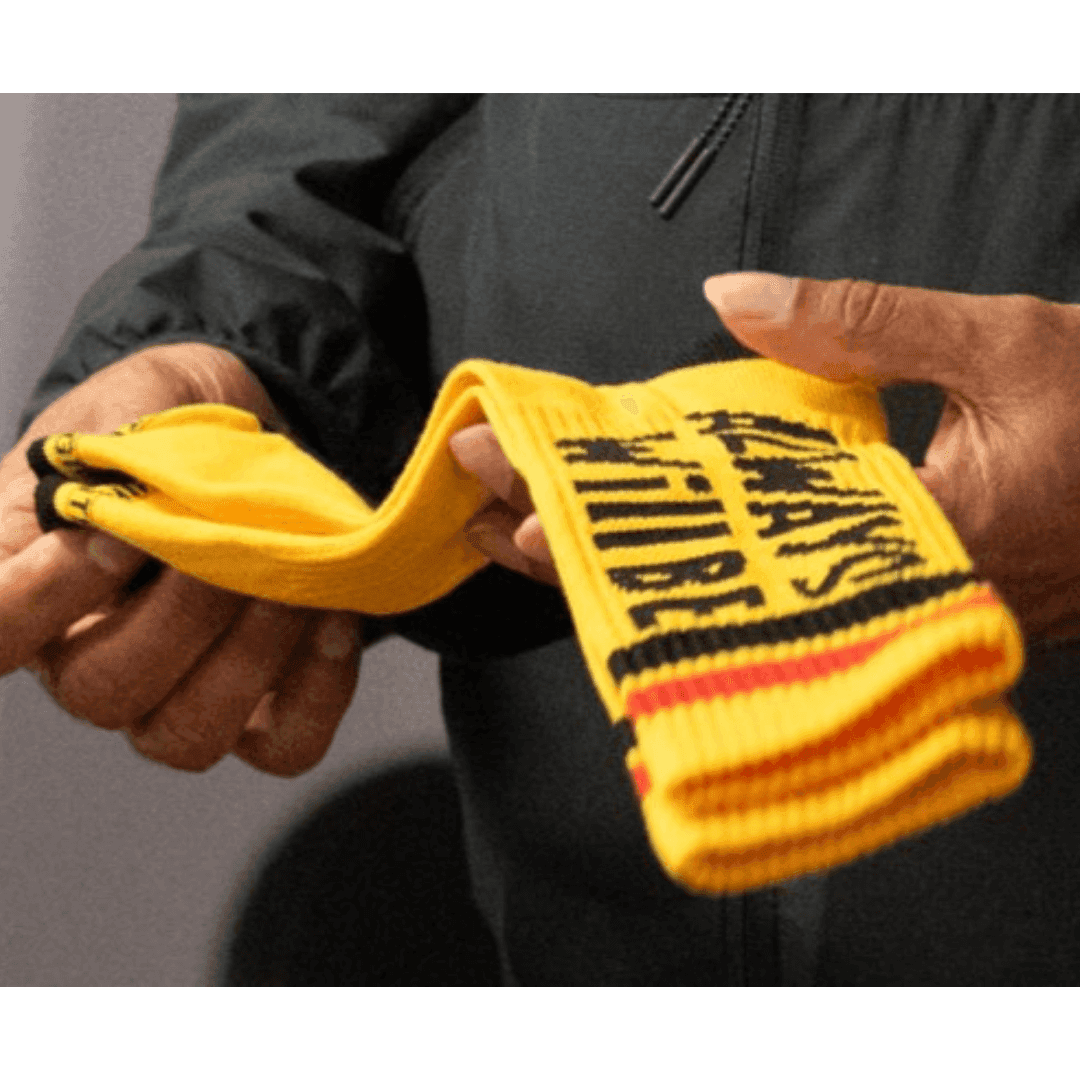
We acknowledge Traditional Custodians and all First Peoples' of the lands on which we live, and the pathways to Voice, Truth and Treaty. Always was, always will be Aboriginal lands.
Why The Meeting Point?
Learn with us to contribute to an enduring transformation of allyship.
How do non-Indigenous Australians walk with First Nations peoples for a better future? What is our work to do ?
The Meeting Point is a transformative program designed for non-Indigenous people to engage in the critical work of genuine allyship. Rooted in the principle that true reconciliation requires deep personal reflection and action, this initiative provides a dedicated space to explore your own stories, responsibilities, and relationships to people and place.
Designed for ngamatji (non-Indigenous peoples in Woi Wurrung, the language of the Wurundjeri peoples) The Meeting Point encourages enduring allyship through connection, learning, and collective responsibility.
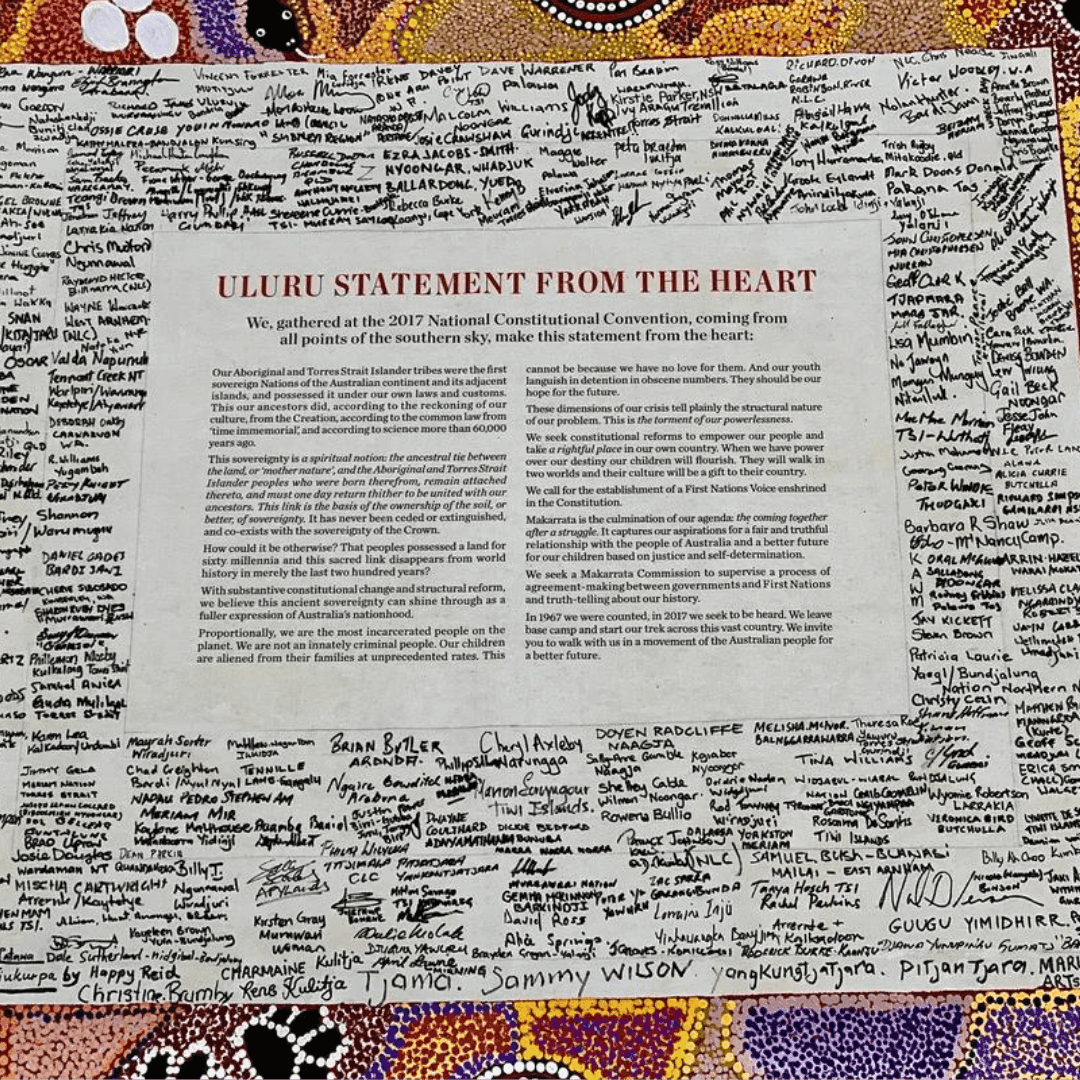
It is a space to meet one another in this work, respond to the call of the Uluru Statement from the Heart, and contribute to a movement of the Australian people toward a better future.
‘The Meeting Point is an invaluable addition to the dialogue between cultures. It effectively engages allies in a safe space, providing opportunities to exploring the biases in self and society. Highly recommended experience for all who are serious about engaging in this space.’
The Venerable Canon Uncle Glenn Loughrey
Contributor to The Meeting Point
‘One of the things I wanted to get out of the program was to decide where to put my effort after the disappointing referendum result.’
Kate Noble, Sustainability Manager, Public Sector Organisation, 2024 Participant
We know we've got work to do as non-Indigenous people, to understand our stories and relationships to people and places, and embrace our obligations and responsibilities living here.
Without doing this work, we unknowingly replicate harmful practices under the guise of ‘helping’ and stand in the way of self-determination.
The Meeting Point provides a space to grapple with living on stolen land, and pathways to walk alongside First Peoples .... aware of our own work to contribute to a movement for a better future for all.
Program
What you'll experience
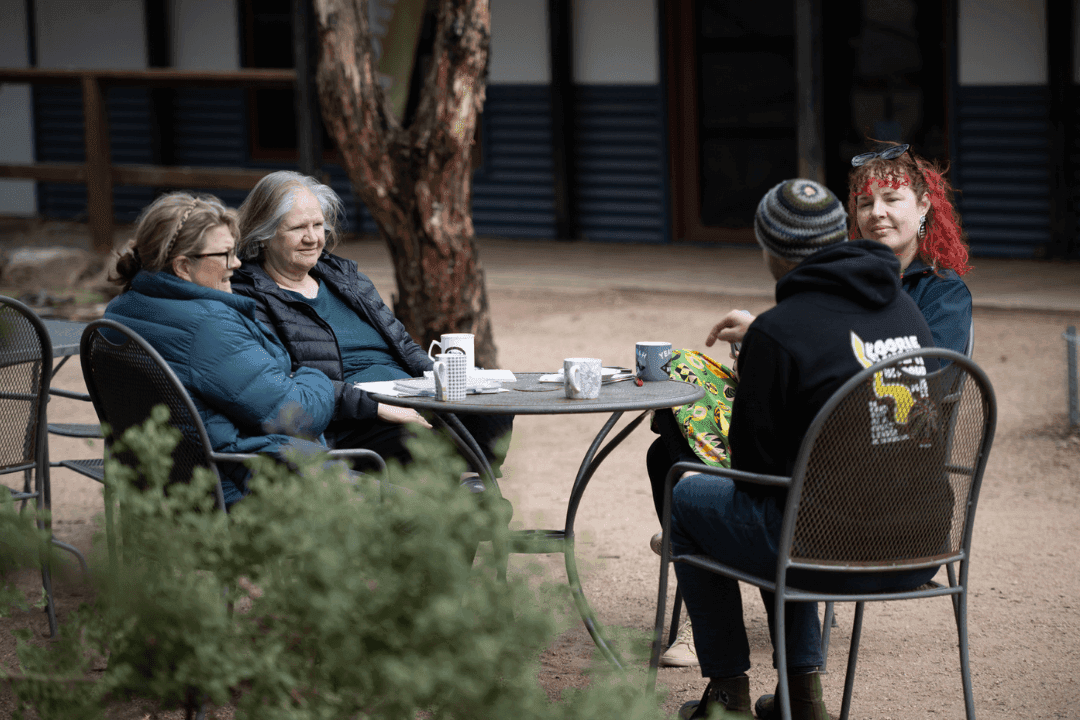
The Meeting Point is a 4 month program comprising experiential, face to face, and online learning and practice to transform your allyship.
We will ask you to courageously and actively engage with family, friends, colleagues, and communities as you develop new ways of understanding. We will hear from First Peoples experiences of allyship that support First Nations leadership.
Our learning approach
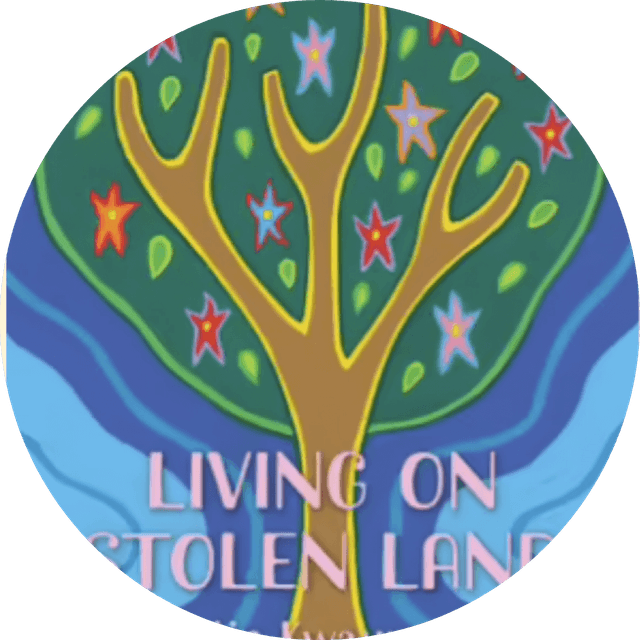
Based upon selected poems from Living on Stolen Land (Ambelin Kwaymullina), and Adaptive Leadership principles.
Grounded in First Peoples perspectives and contributions, The Meeting Point is for non-Indigenous Australians who want to delve into:
- •What it is to be a Settler in Australia
- •The ongoing experiences of colonialism
- •The harmful practices non-Indigenous Australians can unknowingly replicate
- •Moving from difficult emotions to productive responses
- •The definition and role of leadership in relation to allyship
- •What it means to live in reciprocity with Country and in treaty day to day
- •Allyship pathways for making change
Methodology
- •Allyship as an act of leadership. Both are behaviours and ongoing practices.
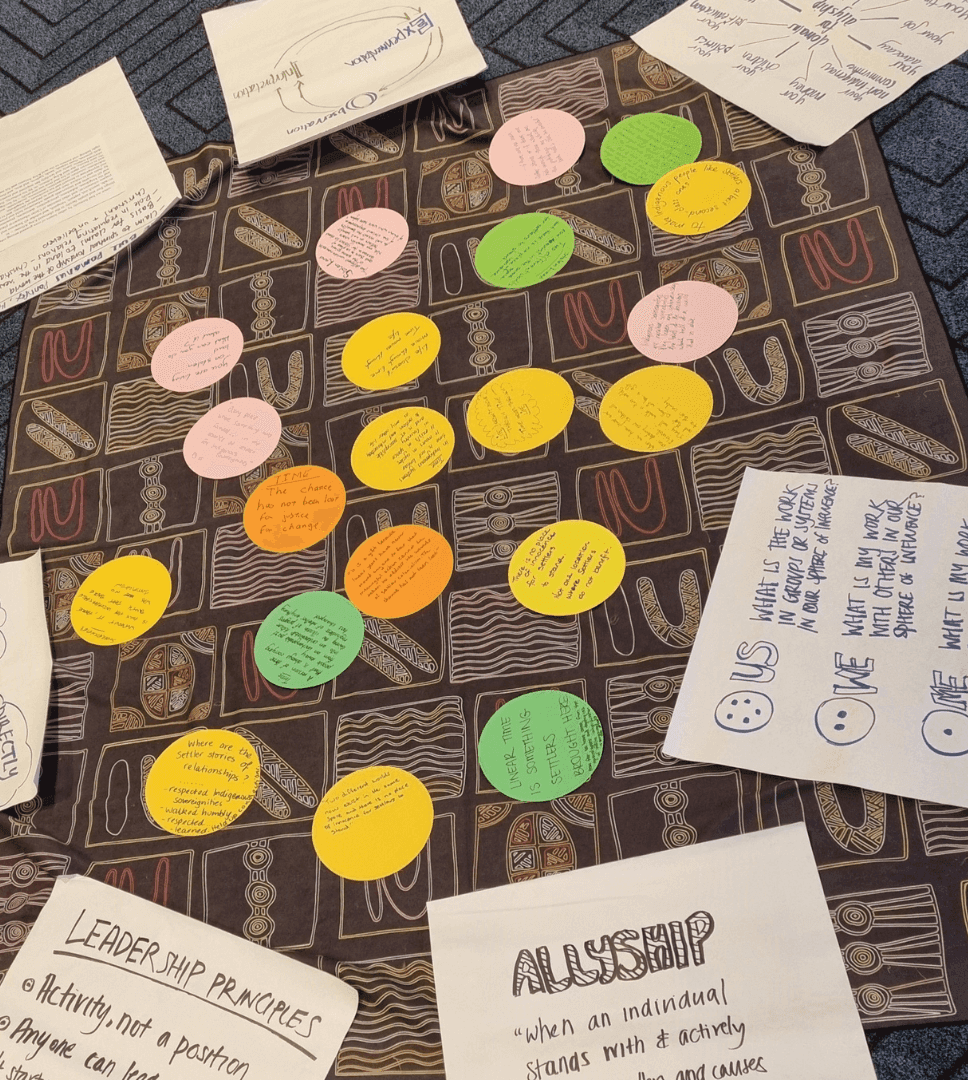
- •Place is an active teacher. During the course we will move from the Koorie Heritage Trust, on the Birrarung (Wurundjeri Country), Yilawaru (Boon Wurrung Country), and Mount Rothwell (Wadawurrung Country).
- •The group is an active teacher. People bring different life experiences, perspectives and are at different stages which all contributes to our collective learning.
- •Preparation and experimentation are ingredients in learning.
Program format
- •An online onboarding session
- •4 face to face days
- •3 online practice sessions
- •An ongoing peer-to-peer community
The Group
- •Maximum group size is 20 people
- •Our 2024 group included people from professional services, health, education, real estate, community services, local and state government, water, transport, sport and investment sectors. It also included participants who joined for their own learning and desire to progress their allyship.
Express interest for 2026
‘We can confidently say that the program is designed to meet the diverse needs of participants. Whether you're just beginning your journey or further along, this program supports all stages of growth. The program has been found to meet people where they are at while also stretching them.’
People Measures' independent evaluation
What participants said
Jill Sears, Head of People and Culture, Legal & Professional Services Industry
[A change from participating in The Meeting Point is] the clarity I have and the sense of ease and comfort with the scope of the challenges and the things I don't know. I feel able to grapple with the complexity with less ego, less pressure and a sense that how it is, is okay, neither good nor bad, just as it is and the sense of clarity (like putting on new glasses with the right lenses), I have regarding allyship allows me to more easily plot a path. My confidence in [my allyship] has grown since starting The Meeting Point and with that my motivation and sense of 'what is possible' has increased.
Michelle, HR Consultant, Higher Education
[Participating in the Meeting Point has been] absolutely a mind shift opportunity. It helped me heal from some old wounds and become stronger in my action to be an ally and ditch being a saviour - which I did not even know was happening. Before the program I was aware of the idea [of allyship] and felt I knew more - but I didn't. I am now aware of my role, what belongs to me and what does not belong to Indigenous First Nation's people. I feel more confident in being an ally and comfortable with what I still don't know.
Karen Woo, Sustainability Manager, Community, Vicinity Centres
The program has been an inner transformation – realising how much I didn't know and still don't know, to check our motives, to actively listen, to provide a platform for First Nation voices, a better understanding of colonial load, better awareness of & sensitivity to racism in the workplace and society, to advocate in quiet ways and not occupy space.
Christine Bell, Volunteer Coordination & Development Officer, Local Government
[From joining The Meeting Point] I am no longer afraid to embrace and express personal feelings of empathy and understanding, which I now see as essential for genuine connection and growth. I've noticed that many people are hesitant to approach the unknown, often feeling trepidation about asking questions. This has reinforced the importance of creating safe spaces for open and honest dialogue. I feel more educated and confident in understanding the significance of allyship. This has shaped how I engage with others, striving to be a supportive and informed ally in all areas of life.
Express interest for 2026
‘All participants, regardless of where they are in their journey, would recommend this program.’
People Measures, Independent Evaluation
Dates & Times
Session 1 | Welcome Orientation
Friday 27 June, 2 hours, online
Session 2 | Beginning
Thursday 3 July, 9 am to 5 pm, face-to-face
Session 3 | Being
Friday 4 July, 9 am to 5 pm, face-to-face
Session 4 | Changemaking Practice
Friday 18 July, 10 to 12 noon, online
Session 5 | Belonging
Friday 1 August, 9am to 5pm, face-to-face
Session 6 | Changemaking Practice
Friday 15 August, 10 to 12 noon, online
Session 7 | Connection
Friday 29 August, 9 am to 5 pm, face-to-face
Session 8 | Changemaking Practice
Friday 12 September, 10 to 12 noon, online
We strongly recommend
The Meeting Point is not a program to simply turn up to. We strongly recommend you create time and space for yourself between the program days for reading, reflecting and connecting. We suggest you allow 2-4 hours between sessions.
Express interest for 2026
Investment
Standard $4,500
Not-for-profit or Self-funded $3,500
Apply by 31st May $3,000
This includes:
- •A copy of Living on Stolen Land, by Ambelin Kwaymullina
- •Welcome orientation session online (2 hrs)
- •4 face to face days (8 hrs each) with catering for lunch & tea
- •3 online sessions (2 hrs each)
- •Access to content & activities to support your learning & preparation for sessions
- •Ongoing learning group to the extent you wish to take this up
Transport to and from venues for the face to face days is not included.
Group rates
We encourage you to apply your learning into your group, organisation, team, friends. If you have two or more people wanting to participate, a 10% discount applies.
Financial Equity Principles
2025 will be the second group for The Meeting Point.
Our aim for this round is to build on our learning and evaluation from the pilot, and create a financially sustainable model that enables us to build a community of allyship - and impact - over time.
- •All Contributors are paid for their contributions & time.
- •Angela and Lisa are paid for the days they facilitate at the same rate as Contributors receive. They otherwise donate their time to plan, design, prepare, promote, administer etc. The Meeting Point and receive no financial compensation.
- •All venues, caterers, and other suppliers are paid for their services. We preference First Nations led businesses & organisations.
Equity of Access Principle
We have a principle of equity of access. If the cost of participation is not affordable for you, but you feel the program will be of real benefit, please contact us at hello@themeetingpoint.net to discuss how you might participate. Similarly if you are able to contribute more because of your means, please get in touch.
Express interest for 2026
A word on allyship .....
Language matters.
And we've been grappling with this one for some time.
The term ‘allyship’ carries weight precisely because it challenges us to move beyond comfortable rhetoric into the realm of shared responsibility and concrete action. When responding to the invitation in the Uluru Statement from the Heart, non-Indigenous people must do more than simply declare themselves allies – we must consistently show up, listen deeply, and actively contribute to dismantling colonial structures while respecting First Nations leadership.
We've tried other words, but sometimes the discomfort around ‘allyship’ is useful because it makes us stop and think about what true partnership really means in practice, not just in principle.

Evaluation
‘Being an ally is about showing up consistently, wherever you are.’
Gill Harris, Consultant, People Measures, Professional Services, 2024 Participant
Evaluation of the 2024 Program by People Measures
The Meeting Point set out to transform allyship as a practice.
An independent evaluation by People Measures found 5 key themes emerged consistently across participant responses: emotional journey, allyship in practice, deep ongoing learning journey, accountability, and building relationships. These themes highlight the program's ability to balance personal reflection, practical application, and sustained learning in allyship development.
This program included participants with varying levels of awareness and experience, yet all engaged with the same core themes.
As a result, we can confidently say that the program is designed to meet the diverse needs of participants. Whether you're just beginning your journey or further along, this program supports all stages of growth. The program has been found to meet people where they are at while also stretching them.
The survey results from this program show that 100% of participants, regardless of where they are in their journey, would recommend this program.
If you'd like to know more about the evaluation, please get in touch: hello@themeetingpoint.net
‘What really stood out to me was that allyship is an act of leadership. That was not something I had considered before.’
Tarity Fischer, Project Manager, Youth Mental Health, 2024 Participant
Who we are
Your guides
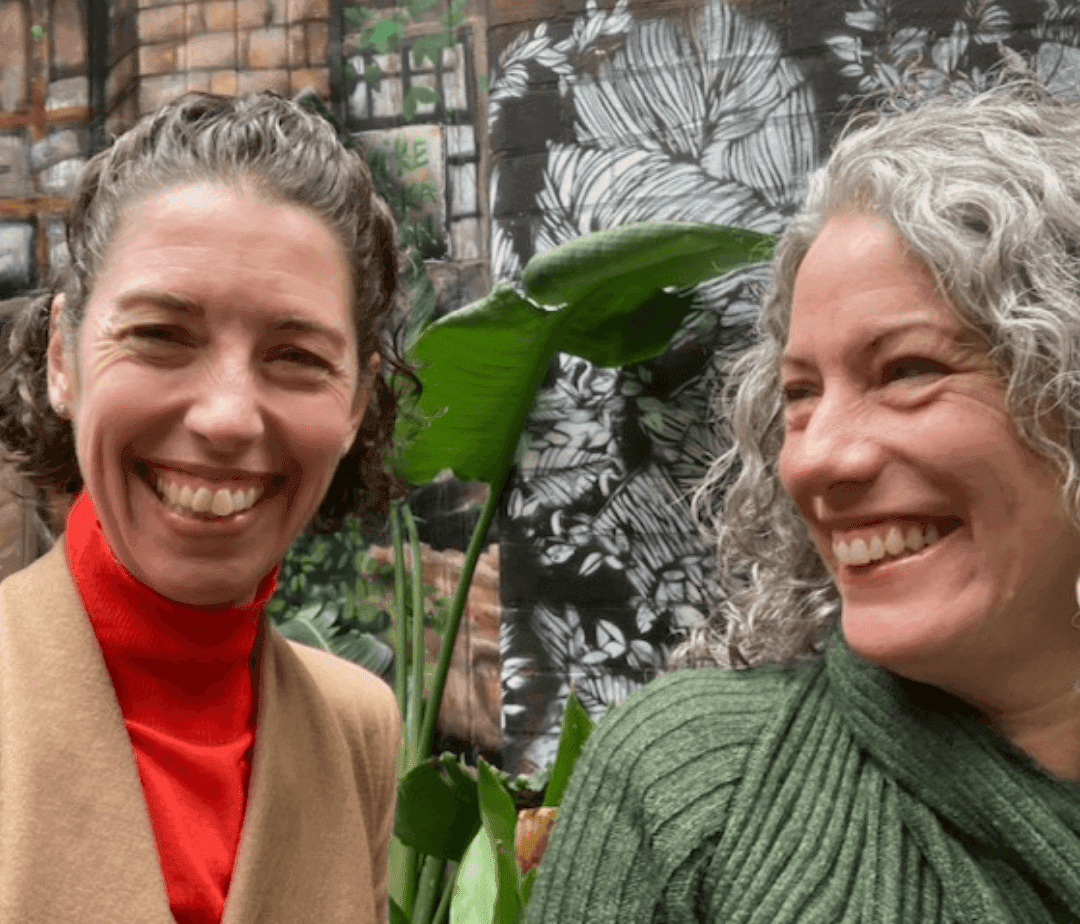
The Meeting Point has been developed by Lisa Croxford and Angela Rutter, in conversation and collaboration with First Peoples and non-Indigenous allies.
Lisa and Angela have worked together at Leadership Victoria designing and facilitating experiential leadership programs which build civic leadership capacity and elevate First Nations voices, perspectives, and knowledge. Angela participated in the Atlantic Fellows for Social Equity (2021) with the University of Melbourne and Atlantic Institute, where the development of The Meeting Point was the focus for her Masters in Social Change Leadership.
The Meeting Point in its entirety is an practice of allyship, and is in response to the invitation extended in the Uluru Statement from the Heart.
The Meeting Point is an independent, not-for-profit organisation registered as a charity with the ACNC.
Our story to here ....
‘Once upon a time there were two ngamatji (non-indigenous in Woi Wurrung) women. They talked, experimented and reflected regularly on what they might do to accept the invitation in the Statement from the Heart.
One day they decided to create a learning program to explore with other Ngamatji (non-indigenous) people how we get off our collective butts and do the work we need to do: to understand our own stories and relationships to people and places; to embrace our obligations and responsibilities living here; and much, much more.
They spoke to lots of people, consulted, got advice, opinions, and input. They worked with an Advisory Group of smart, kind people who know how to give provocative and helpful feedback. They had generous support from their workplaces (hi People Measures).
But people also warned them.
‘You're walking a fine line.’ ‘Is this your work to do?’ (and more reasons not to.) They could feel their fragility prickle with reasons to do ... nothing.
They stopped, started, meandered, feeling their way along. They campaigned on the Voice. They got on with the work. Determined.
Determined, not in a way that ‘helps’, or is ‘supportive’ or that is ‘do gooder’ in allyship, but because our collective future relies on it.
Determined because there is reckoning that we need to do that will be messy and uncomfortable, but will have us engage in new and positive ways.
The Meeting Point has been created to build a space for non-Indigenous people to do the work we need to do. To find the place to meet one another and practice enduring allyship. And contribute to a movement to walk with First Nations peoples for a better future, together.
We are excited to invite you to be part of The Meeting Point.

From those who know us
Two of the most outstanding humans I know coming together on the most important of business. Strongly encourage people wanting to be deliberate, conscious allies in response to self-determination for First Nations Peoples and to the Uluru Statement from the Heart to explore this further. They’ve certainly supported me to clarify my purpose and how to do something about this in the most meaningful of ways
Mark Costello,
Manager with a Traditional Owner Corporation
I know these two amazing people. This program will be a rare and wonderful opportunity for non-Indigenous people to learn, reflect and to step into our collective responsibilities living here on this land, and walking alongside First Peoples. Maybe this is for you?
Nicole Baker,
Chair, CERES
I couldn’t think of two more driven, thoughtful, empathetic people to bring people together as allies. To drive the change that we can make as non-Indigenous people and reduce or help carry the cultural load for those whose continued work can not be done alone.
Prof Sarah Anderson,
Director, Institute for Safety Compensation & Recovery Research, Monash University
Lisa and Ang are courageous, impactful, insightful, curious, kind, and brilliant. An opportunity to learn and grow with them is highly recommended.
Andrew Keen,
fellow of Williamson Community Leadership Program
This is sure to be a powerful container for non-indigenous folks to deepen their allyship into actions. Angela and Lisa are most excellent facilitators and holders of transformational spaces.
Bianca Anderson,
Systems Wayfinders
Express interest for 2026
Our ethical grounding
‘For me, it is yindyamarra, a Wiradjuri concept which means to act with honour and respect, wisdom, to go slowly and act responsibly, be gentle and polite and honest with each other, be careful of the words and actions you put out to the world and understand the impact they have.’
Professor Michael McDaniel
AIATSIS Council Chair
AIATSIS Code of EthicsIntegrity and respect
We are guided by First Peoples', AIATSIS Code of Ethics and Ambelin Kwaymullina's book of prose ‘Living on Stolen Land’, to act in the right spirit, with integrity and with respect for Country and for all living things.
Humility and listening
- •We regularly ask ourselves and reflect on what is our work to do, as ngamatji living on Aboriginal lands.
- •We centre First Nations contributors, voice, content and practices where appropriate.
- •We build relationships for the long term, and in place.
- •We prioritise experiential and relational learning with compassion and generosity.
- •We take responsibility for our own learning, knowing we will still make mistakes.
‘Decolonised futures
are what we create
together.’Ambelin Kwaymullina,
Futures, Living on Stolen Land
With thanks
Thanks & deep appreciation
This initiative has emerged from provocations offered by the Statement from the Heart and Ambelin Kwaymullina's ‘Living on Stolen Land’, and First Nations and non-Indigenous change-makers who hold in their hearts, minds and hopes a different vision for our future, together.
The Meeting Point is made possible with the generous support of First Nations and non-Indigenous peoples including the Atlantic Fellows for Social Equity and Atlantic Institute, The Meeting Point Advisory Group, Karen Millward, Wurundjeri Woi Wurrung Cultural Heritage Aboriginal Corporation, and People Measures in helping shape and evaluate this initiative.
We also deeply thankful to
- •the people in the inaugural group in 2024 who gave thoughtful feedback from their experience & all of those who contributed to the program
- •Tony Barrett for his generous advice & support in operationalising The Meeting Point
- •Liz Vagg for her photographs & capturing the essence of The Meeting Point.